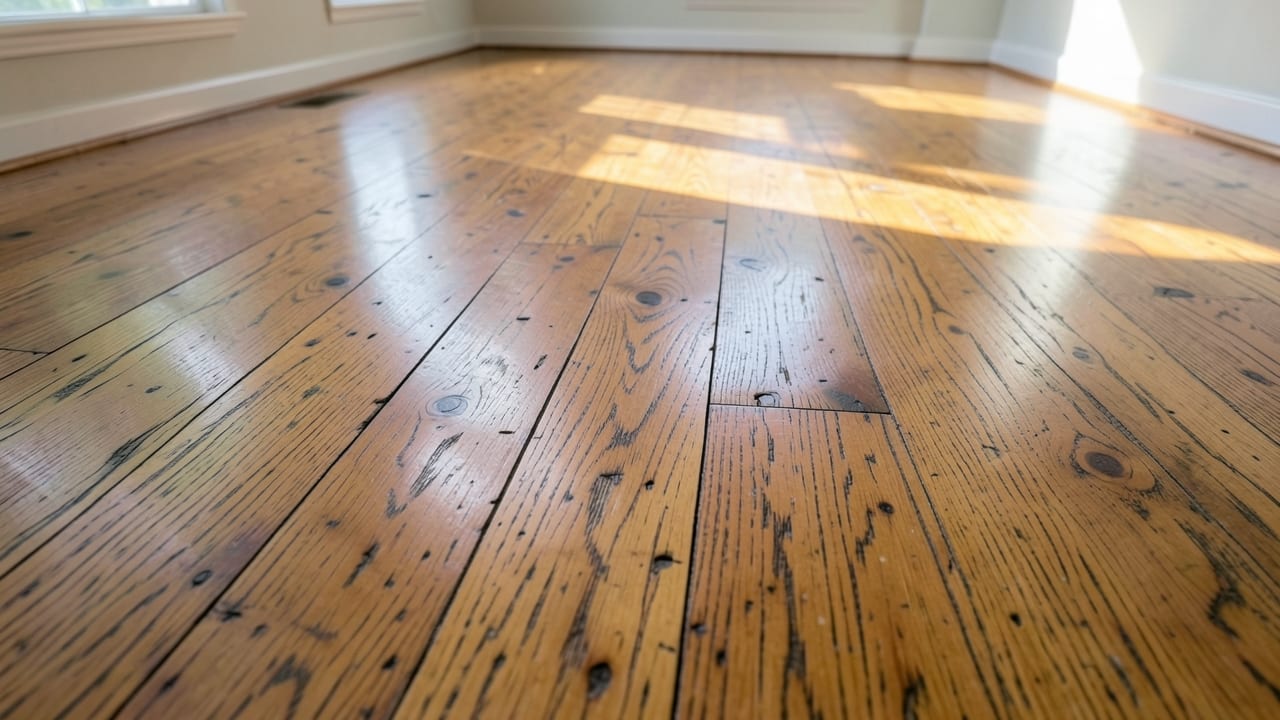
Water Damage Restoration
Water damage restoration in North Stonington, CT — extraction and structural drying to stop mold growth before it starts, following a leak, storm, or flood.
In North Stonington, CT, water damage restoration is a race against mold growth, which can begin within 24-48 hours of water exposure. Rapid extraction, structural drying, and moisture monitoring are critical due to the area’s humid climate and older housing stock with poorly ventilated basements.
Why Fast Action Matters in North Stonington
North Stonington’s humid summers and damp basements slow natural drying, increasing mold risk after water damage. Without professional intervention, trapped moisture in wall cavities or subfloors can feed mold growth for days, even if surfaces feel dry.
We also handle Garage Mold Removal and Window Sill Mold Cleanup for North Stonington properties.
Standing water is removed first, followed by industrial-grade air movers and dehumidifiers to dry structural components—framing, subfloors, and wall cavities—not just visible surfaces. This prevents hidden moisture from becoming a long-term issue.
Signs You Need Professional Water Damage Restoration
Mold growth isn’t always visible, but there are clear indicators that water damage may require professional attention. Ignoring these signs can lead to structural damage, health risks, and costly repairs.
Red Flags to Watch For
- Musty odors in basements, crawl spaces, or behind walls
- Visible water stains, discoloration, or peeling paint on walls/ceilings
- Warped or buckling floors, especially in areas near water sources
- Increased humidity or condensation in normally dry areas
- Recent water intrusion (burst pipes, leaks, flooding, or appliance failures)
What Affects Restoration Costs and Timing
Pricing for water damage restoration in North Stonington depends on the extent of water intrusion, the materials affected, and the drying time required. Older homes with dense insulation or poor ventilation may take longer to dry, increasing costs.
| Factor | Impact on Cost/Timing |
|---|---|
| Extent of water intrusion | Larger areas or deeper penetration = higher cost and longer drying time |
| Type of water (clean, gray, black) | Black water (sewage) requires additional safety protocols, increasing cost |
| Materials affected (drywall, hardwood, carpet) | Porous materials like drywall or carpet may need removal, adding to cost |
| Humidity levels in the home | Higher humidity slows drying, extending the project timeline |
| Accessibility of affected areas | Hard-to-reach spaces (wall cavities, crawl spaces) may require additional labor |
How Water Damage Restoration Works
Our process is designed to stop mold before it starts.
- 1Water Extraction
Industrial pumps and vacuums remove all standing water from the affected area as quickly as possible to minimize damage and prevent mold growth.
- 2Structural Drying
High-powered air movers and dehumidifiers are positioned to dry framing, subfloors, and wall cavities—not just visible surfaces—where moisture can linger and feed mold.
- 3Moisture Monitoring
Moisture meters track drying progress daily. Readings must return to normal baselines throughout the structure to confirm the job is complete, even if the area feels dry to the touch.
- 4Documentation & Reporting
Photo documentation and a written moisture-mapping report are provided for insurance claims, ensuring transparency and accuracy in the restoration process.
Frequently Asked Questions
How quickly should I call after a water event?
Call as soon as it’s safe. Mold can begin growing within 24-48 hours, so prompt action is critical to prevent long-term damage.Urgent calls are often prioritized to start the drying process immediately.
Will my insurance cover water damage restoration?
Most homeowners’ insurance policies cover sudden and accidental water damage, but coverage varies. We provide detailed documentation—photos, moisture maps, and reports—to support your claim.
Can I just dry the area myself with fans and a dehumidifier?
DIY drying often misses hidden moisture in wall cavities or subfloors, which can lead to mold growth. Industrial equipment and moisture meters ensure thorough drying, which is especially critical in North Stonington’s humid climate.
How long does the restoration process take?
Drying time varies based on the extent of water damage, materials affected, and humidity levels. In North Stonington, it typically takes 3-5 days for structural drying, but we monitor daily to confirm completion.
See Quonochontaug, RI for more, or find out about every option available in North Stonington for our complete lineup.
Ready to get started?
Talk to a local mold remediation pro in North Stonington — get a written quote.
Other Mold Remediation Services in North Stonington
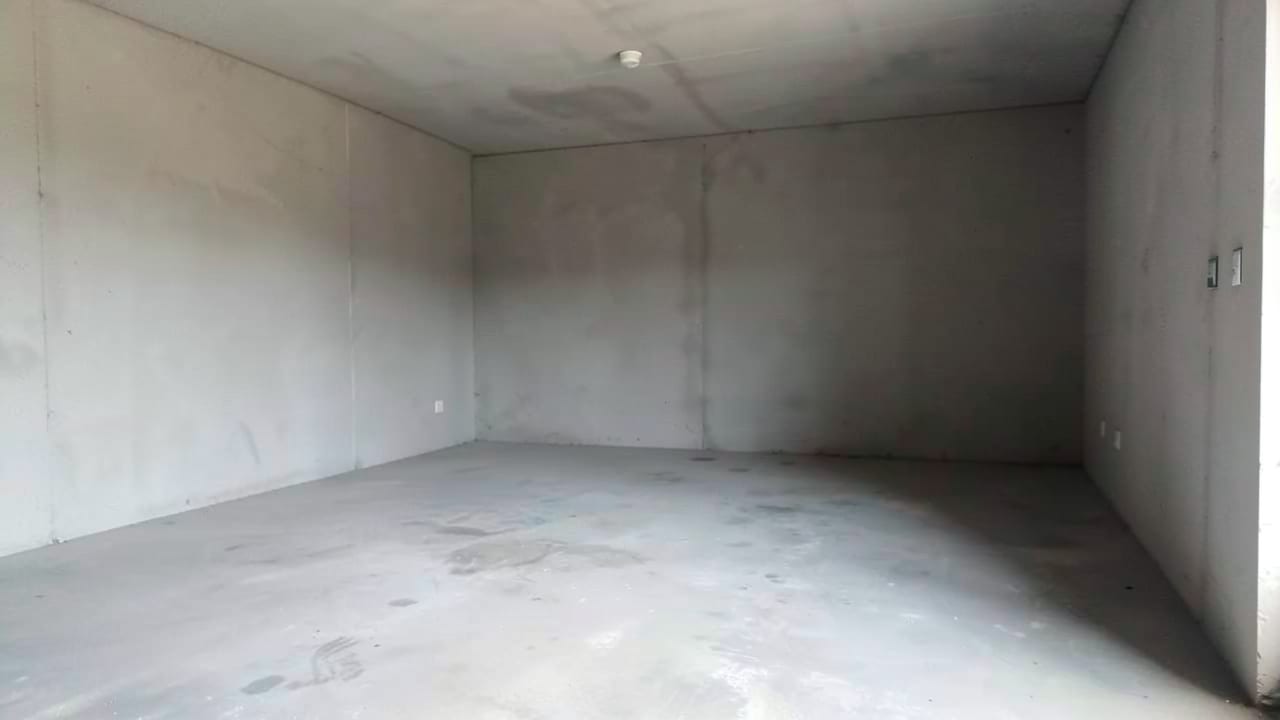
Garage Mold Removal in North Stonington, CT
Professional assessment and removal of mold growth in garages to restore a safe, clean space.
Learn More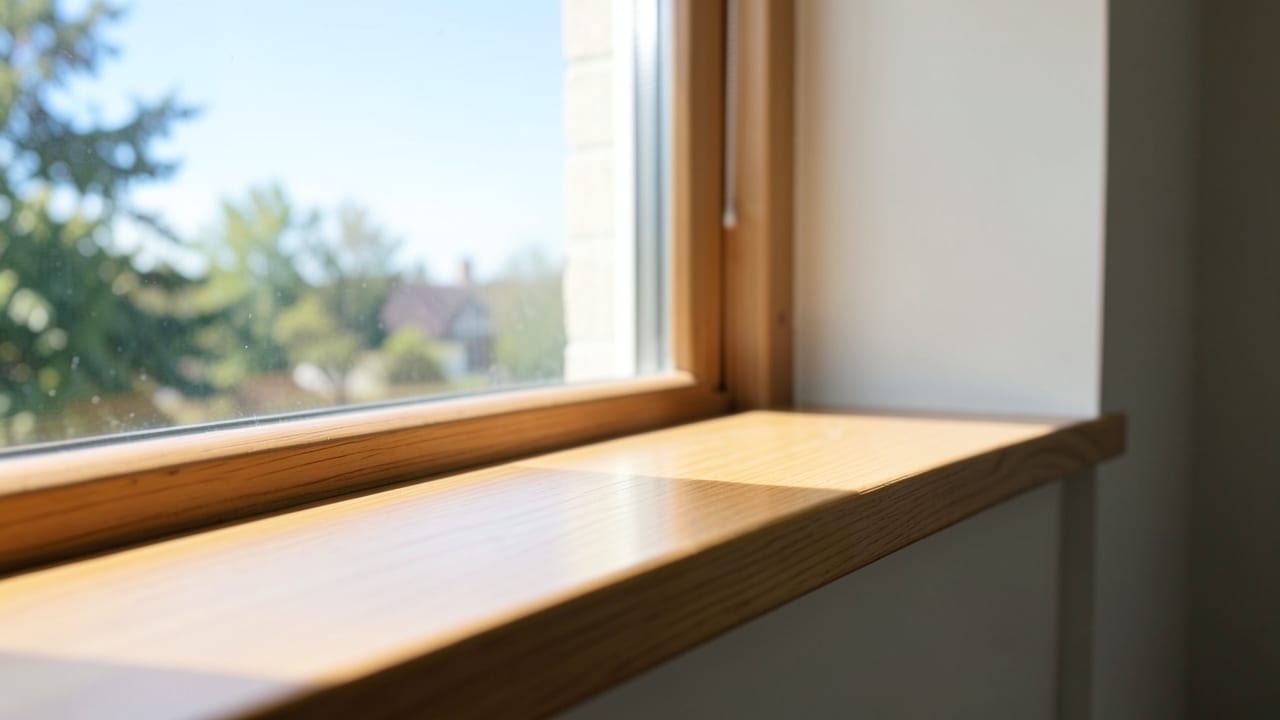
Window Sill Mold Cleanup in North Stonington, CT
Professional cleanup of mold growth on window sills to restore a healthy indoor environment.
Learn More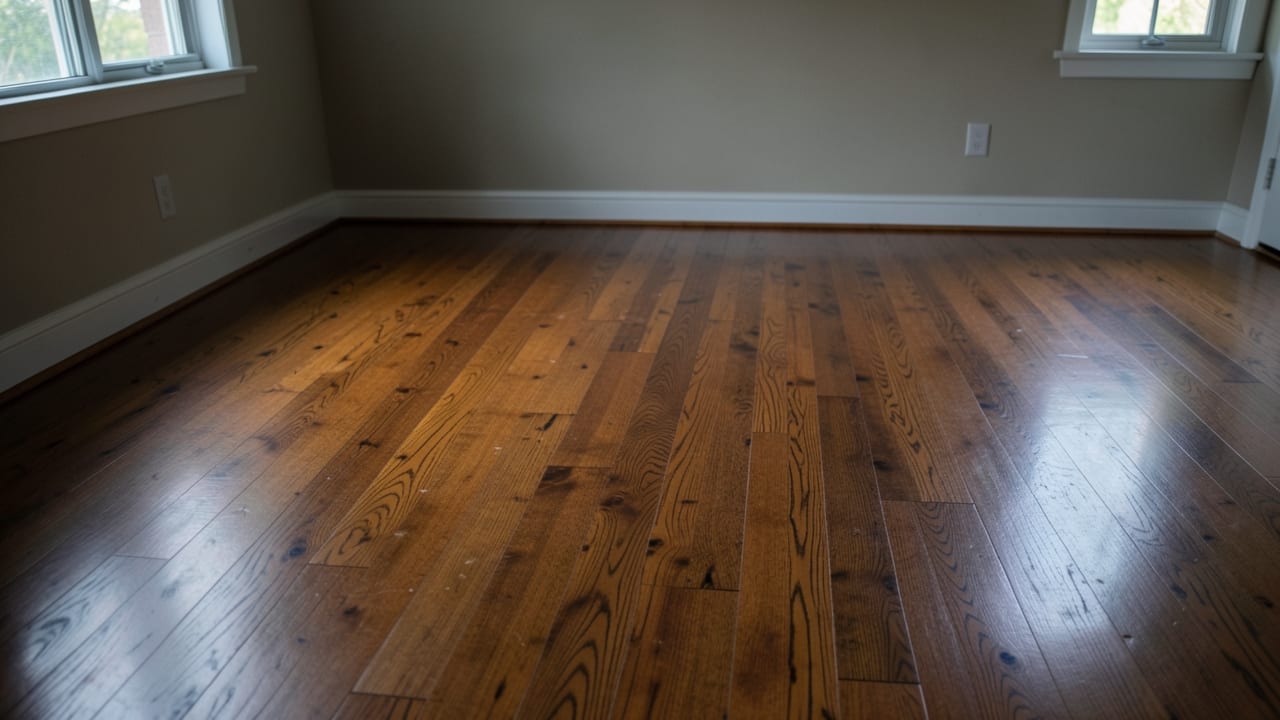
Flood Damage Mold Remediation in North Stonington, CT
Professional mold removal and remediation after flood damage in homes.
Learn More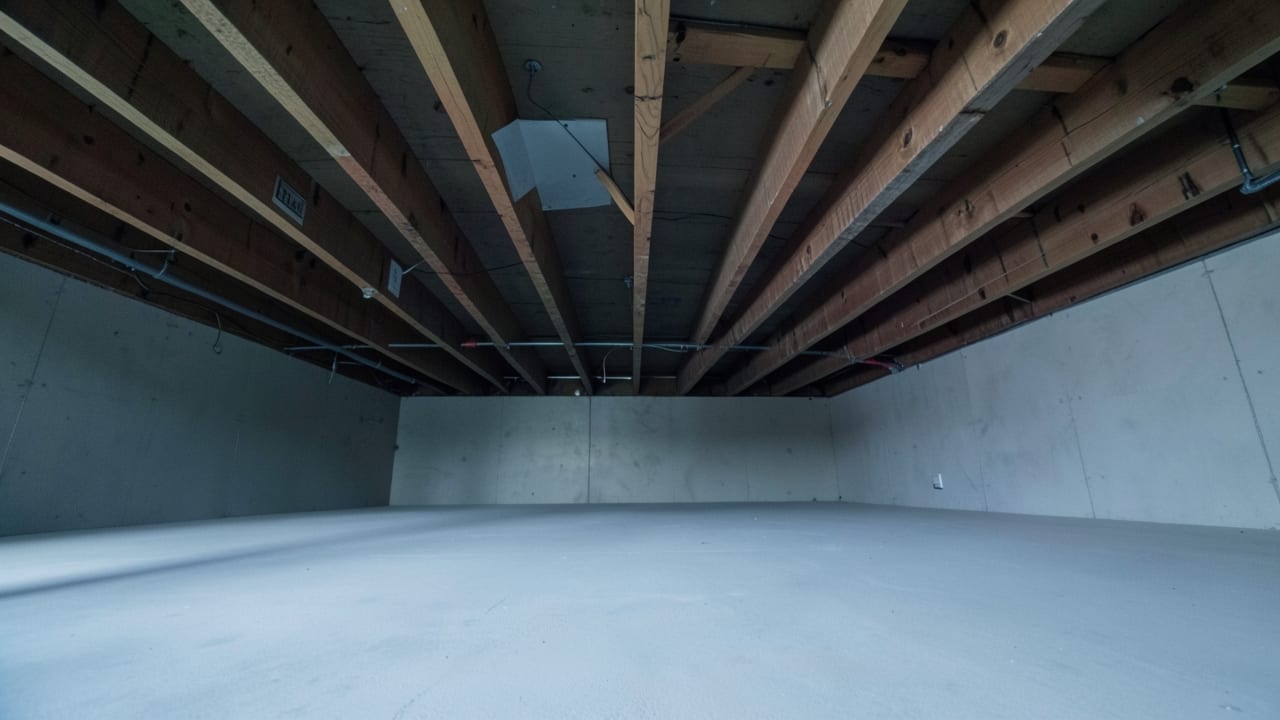
Sewer Backup Mold Cleanup in North Stonington, CT
Professional cleanup of mold caused by sewer backups in homes.
Learn More
Pipe Leak Mold Removal in North Stonington, CT
Professional removal of mold caused by pipe leaks in homes.
Learn More
School Mold Remediation in North Stonington, CT
Professional mold removal and remediation in schools to ensure a safe, healthy environment.
Learn MoreCommon Questions About Mold Remediation in North Stonington
Everything you need to know about mold remediation services in North Stonington
How much does Water Damage Restoration typically cost in North Stonington, CT?
Why does North Stonington, CT's humidity make mold a bigger risk than in drier regions?
How does mold remediation actually prevent the problem from coming back?
Can mold growing inside HVAC ductwork spread to the rest of a home?
Does mold mean the same thing as mildew?
Does homeowners insurance typically cover mold remediation?
Need Mold Remediation in North Stonington?
Connect with local providers in North Stonington for a detailed quote.
⏰ We answer your call • Serving all of North Stonington and surrounding areas