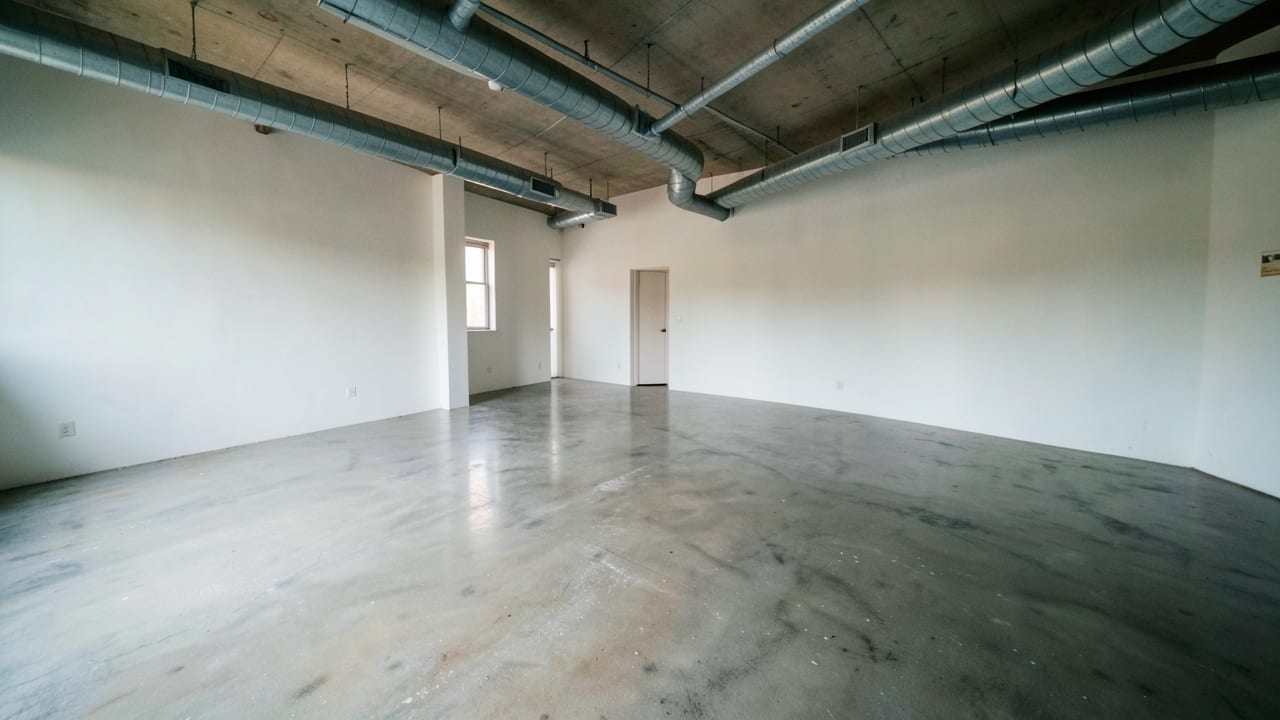
Commercial Mold Remediation
Commercial mold inspection and remediation in North Stonington, CT for offices, retail space, and multi-unit properties, scheduled around business operations.
Commercial mold remediation in North Stonington, CT, addresses large-scale mold issues in offices, retail spaces, and multi-unit buildings. Scaled for bigger systems and spaces, our service ensures minimal disruption while restoring safe, healthy environments for tenants and customers.
Why Commercial Properties Need Professional Mold Remediation
Commercial buildings in North Stonington face amplified mold risks due to extensive HVAC systems, complex plumbing, and hard-to-monitor areas like drop ceilings and mechanical rooms. These spaces can harbor moisture unnoticed, leading to widespread growth that impacts air quality and structural integrity.
We also handle Mold Testing & Air Quality Testing and Mold Removal & Remediation for North Stonington properties.
Unlike residential mold, commercial remediation requires larger crews, specialized equipment, and a systematic approach to isolate and address affected areas without shutting down operations. We focus on identifying and correcting moisture sources, such as HVAC leaks or plumbing failures, to prevent recurrence.
Signs Your Commercial Property Needs Mold Remediation
- Visible mold growth on walls, ceilings, or around vents
- Musty odors in HVAC systems or enclosed spaces like storage rooms
- Water stains or discoloration on drywall, carpet, or ceiling tiles
- Employee or tenant reports of respiratory issues or allergies
- Recent water damage from leaks, flooding, or excessive humidity
What Affects Commercial Mold Remediation Costs and Timing
Pricing for commercial mold remediation in North Stonington depends on square footage, the extent of the contaminated area, and scheduling needs to avoid business interruptions. Larger properties or multi-floor buildings may require phased work to keep sections operational.
The scope of work also influences cost, including the need for containment, HVAC or plumbing inspections, and the type of materials affected (e.g., drywall, insulation, or carpet). We provide a detailed, written estimate after a walkthrough.
| Factor | Impact on Cost/Timing |
|---|---|
| Square footage of affected area | Larger areas increase labor, materials, and equipment needs |
| Accessibility (e.g., drop ceilings, mechanical rooms) | Hard-to-reach spaces may require additional time and specialized tools |
| HVAC/plumbing inspection and repairs | Identifying and fixing moisture sources adds to scope but prevents recurrence |
| Phased scheduling (to keep business open) | May extend project duration but minimizes disruption |
| Type of mold and materials affected | Certain molds or porous materials (e.g., drywall) may require more intensive treatment |
How Commercial Mold Remediation Works
Our process is designed to scale for commercial properties while keeping your business running smoothly.
- 1Inspection and Assessment
A technician conducts a thorough inspection of the property, including HVAC systems, plumbing, and hidden areas like mechanical rooms.
- 2Containment and Air Filtration
Containment barriers are installed to isolate the affected area from tenant or customer spaces. Negative air pressure and HEPA filtration systems prevent mold spores from spreading during removal.
- 3Mold Removal and Cleaning
Non-porous materials are cleaned with antimicrobial treatments, while porous materials (e.g., drywall, insulation) are safely removed and disposed of. All surfaces are treated to prevent regrowth.
- 4HVAC/Plumbing Review and Repairs
Our team identifies and addresses moisture sources, such as leaks or condensation in HVAC systems or plumbing, to prevent future mold issues.
- 5Clearance Testing and Documentation
Post-remediation testing confirms the mold has been successfully removed. A written clearance report and scope-of-work document are provided for your records and tenant communication.
Frequently Asked Questions
How long does commercial mold remediation take?
Timing varies based on the size of the affected area and the building’s layout. Small, contained issues may take 1-3 days, while larger or multi-phase projects can take 1-2 weeks. We work around your business hours to minimize disruption.
Will my business have to close during remediation?
In most cases, no. We use containment barriers and phased scheduling to isolate the work area, allowing your business to remain operational. For extensive projects, we may recommend temporary relocation of employees or tenants from specific zones.
Do you provide documentation for insurance or tenant communication?
Yes. We provide a detailed scope-of-work and a clearance report at project completion. These documents are essential for insurance claims, tenant notifications, and liability protection.
What steps can I take to prevent mold in my commercial property?
Regularly inspect HVAC systems, plumbing, and areas prone to moisture (e.g., basements, mechanical rooms). Maintain proper humidity levels (30-50%), address leaks immediately, and ensure good ventilation. Scheduled maintenance can help catch issues early.
See Bradford, RI for more, or discover our full North Stonington-area coverage by category for our complete lineup.
Ready to get started?
Talk to a local mold remediation pro in North Stonington — get a written quote.
Other Mold Remediation Services in North Stonington
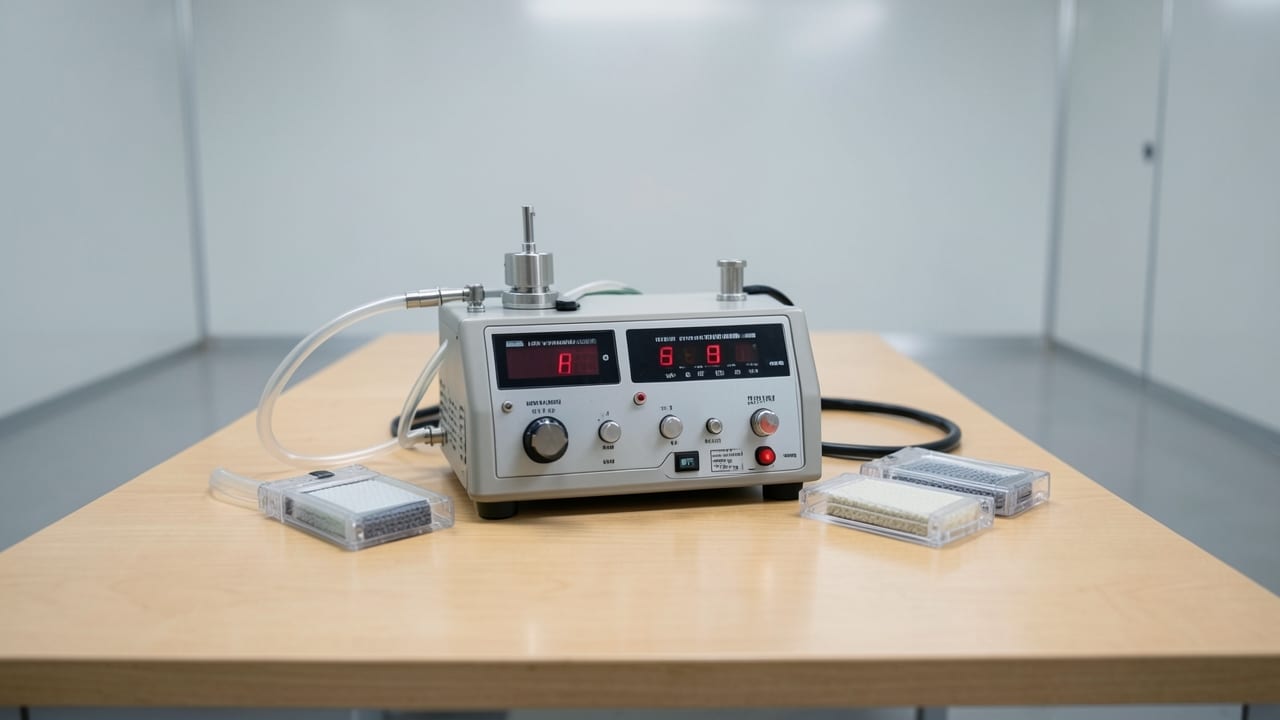
Mold Testing & Air Quality Testing in North Stonington, CT
Mold and indoor air quality testing in North Stonington, CT — lab-analyzed air and surface samples confirm what's actually growing and whether it's airborne.
Learn More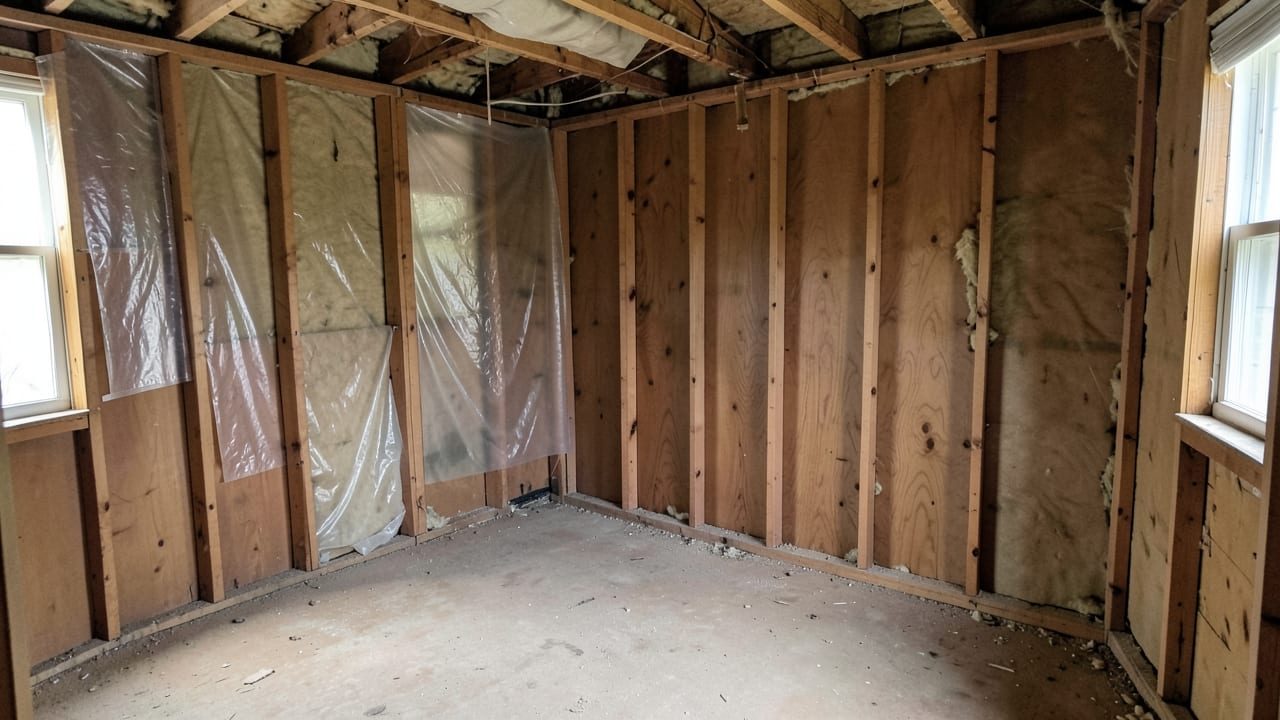
Mold Removal & Remediation in North Stonington, CT
Mold removal and remediation in North Stonington, CT — containment, HEPA filtration, and removal of affected material following industry (IICRC S520) protocol.
Learn More
Water Damage Restoration in North Stonington, CT
Water damage restoration in North Stonington, CT — extraction and structural drying to stop mold growth before it starts, following a leak, storm, or flood.
Learn More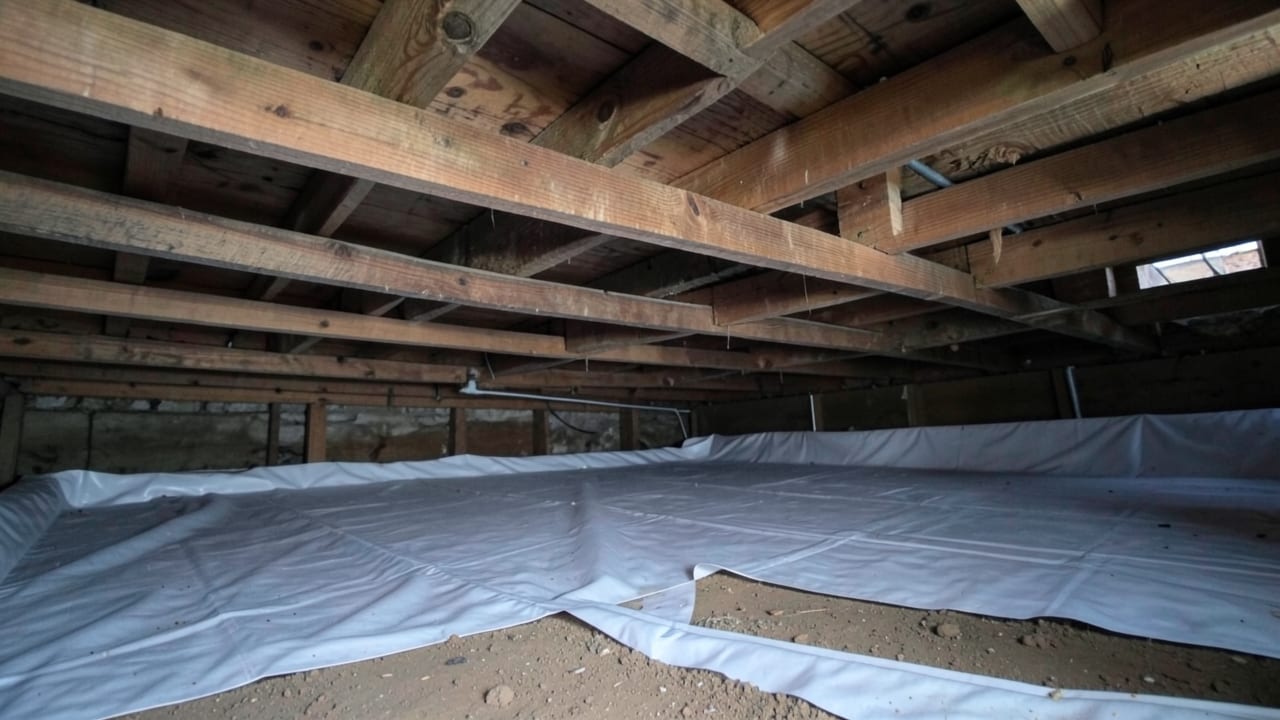
Crawl Space & Basement Mold Remediation in North Stonington, CT
Crawl space and basement mold remediation in North Stonington, CT addresses the two areas of a property most prone to trapped, unnoticed moisture.
Learn More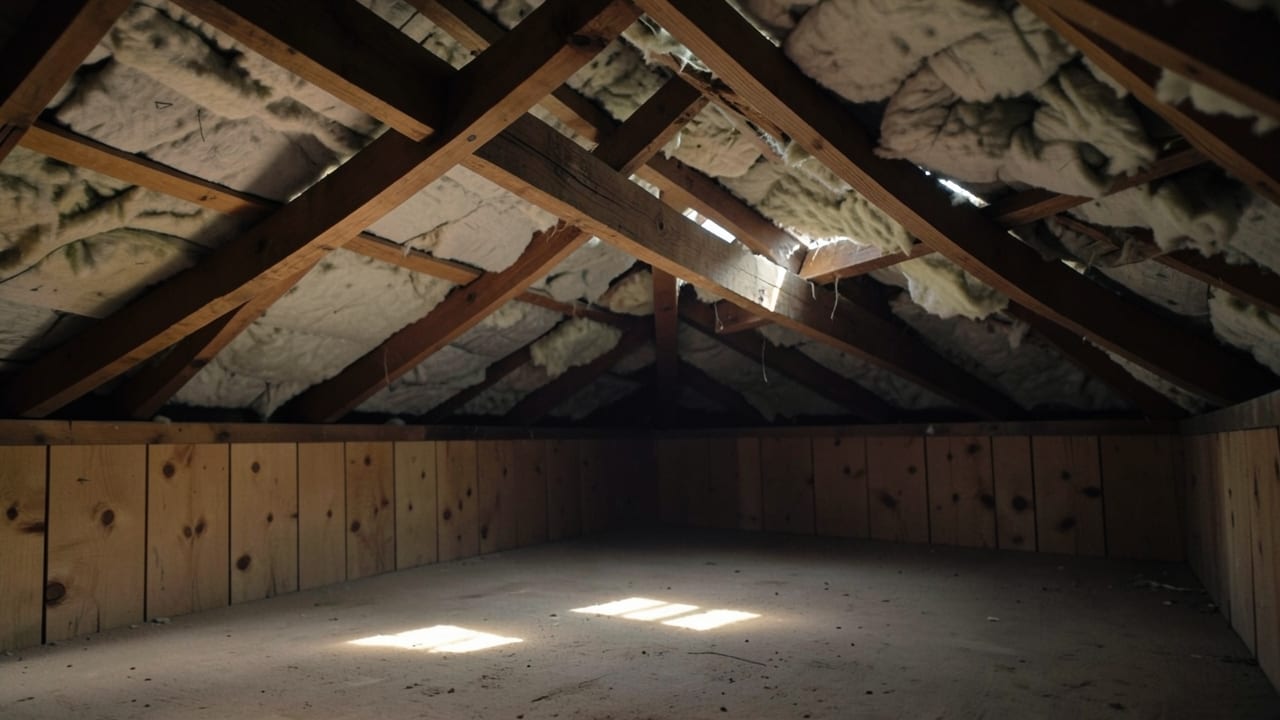
Attic Mold Remediation in North Stonington, CT
Attic mold remediation in North Stonington, CT addresses roof-deck growth typically caused by poor ventilation or a hidden roof leak.
Learn More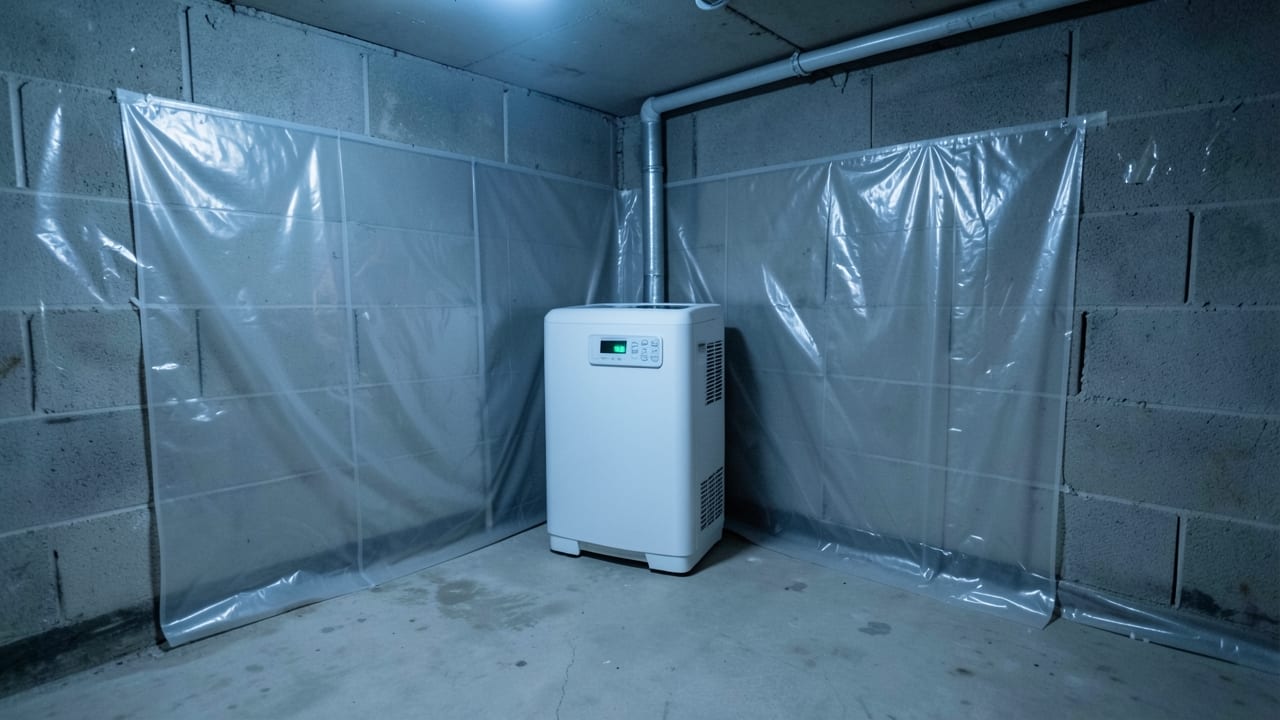
Mold Prevention & Moisture Control in North Stonington, CT
Mold prevention and moisture control in North Stonington, CT — addressing ventilation, humidity, and drainage before growth starts, not after.
Learn MoreCommon Questions About Mold Remediation in North Stonington
Everything you need to know about mold remediation services in North Stonington
How much does Commercial Mold Remediation typically cost in North Stonington, CT?
Why does North Stonington, CT's humidity make mold a bigger risk than in drier regions?
How long does a typical mold remediation job take?
Is it safe to stay in the home during mold remediation?
Can small mold problems be handled without hiring anyone?
What's the actual difference between mold removal and mold remediation?
Need Mold Remediation in North Stonington?
Connect with local providers in North Stonington for a detailed quote.
⏰ We answer your call • Serving all of North Stonington and surrounding areas