Understanding Commercial Mold Remediation Costs in North Stonington: A Business Owner’s Guide
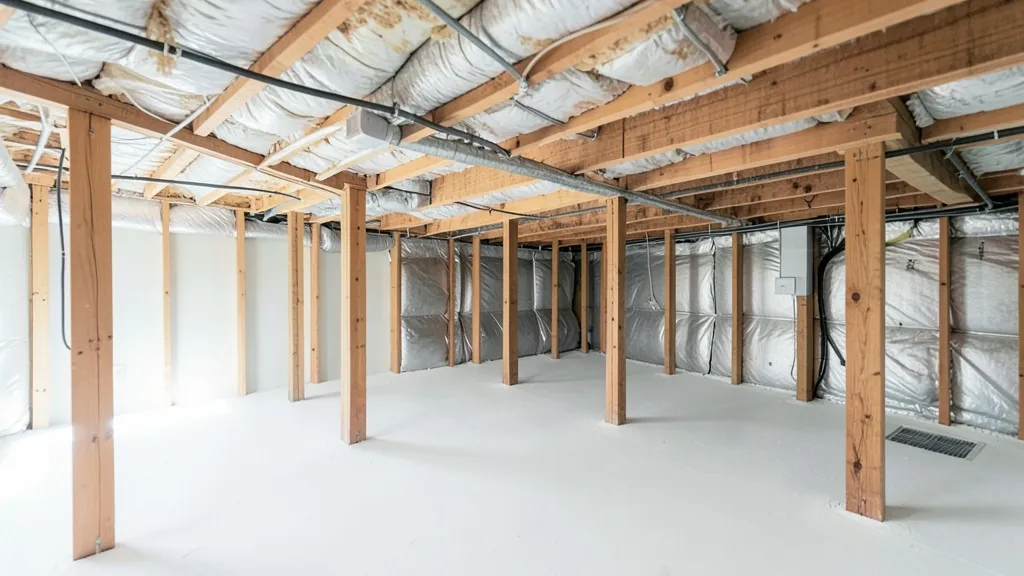
Commercial mold isn’t just an eyesore—it’s a liability. In our region’s humid summers and damp falls, unseen moisture in walls, ducts, or crawl spaces can spiral into costly infestations that disrupt operations and risk health. We break down the real cost drivers for North Stonington businesses and how to plan for remediation that’s thorough, compliant, and protective of your investment.
Why Commercial Mold Demands Professional Remediation
Mold in commercial spaces often spreads faster than in homes due to larger HVAC systems, shared walls, and higher foot traffic. DIY fixes rarely address the root moisture source or contain spores, risking cross-contamination across your property.
Our team follows IICRC S520 standards, using containment barriers, negative air pressure, and HEPA filtration to prevent spores from migrating during removal. This isn’t just best practice—it’s critical for protecting tenants, employees, and adjacent businesses in areas like Ledyard or Preston.
Ignoring mold can lead to respiratory complaints, lawsuits, and even temporary closures. Connecticut’s landlord-tenant laws and OSHA regulations hold commercial property owners accountable for safe indoor air quality.
Key Factors That Influence Commercial Mold Remediation Costs
The size of the affected area is the biggest cost driver. A 100 sq. ft. patch in a Voluntown warehouse is far cheaper to remediate than a 2,000 sq. ft. outbreak in a Griswold office building.
Material type matters. Porous materials like drywall, carpet, and ceiling tiles often require removal and replacement, while non-porous surfaces (metal, glass) can sometimes be cleaned and salvaged with antimicrobial treatments.
Accessibility impacts labor time. Mold in attics, crawl spaces, or behind HVAC systems demands more manpower and specialized equipment, increasing costs. Hidden moisture in ductwork or wall cavities may require invasive demolition.
The mold species and spore concentration also play a role. Black mold (Stachybotrys) or high mycotoxin levels often necessitate stricter containment and disposal protocols, adding to the expense.
Cost Comparison: Common Commercial Mold Scenarios
Below is a realistic comparison of remediation complexity and effort for typical commercial settings. Note that actual costs depend on the factors above—always request a quote for precise pricing.
| Scenario | Area Size | Material Type | Accessibility | Containment Needs | Relative Cost |
|---|---|---|---|---|---|
| Office suite (drywall) | 500 sq. ft. | Porous | Easy | Moderate | Moderate |
| Retail space (carpet + walls) | 1,200 sq. ft. | Porous | Moderate | High | High |
| Warehouse (concrete + metal) | 3,000 sq. ft. | Non-porous | Easy | Low | Low-Moderate |
| Restaurant (kitchen + ductwork) | 800 sq. ft. | Mixed | Difficult | High | Very High |
| Attic (insulation + wood) | 1,500 sq. ft. | Porous | Difficult | High | High |
| Crawl space (dirt floor + joists) | 2,000 sq. ft. | Porous/Organic | Very Difficult | Very High | Very High |
The Hidden Costs of Delaying Remediation
Every day mold lingers, it spreads. What starts as a small patch behind a vending machine can grow into a full-blown infestation in adjacent units, multiplying remediation costs and downtime.
Business interruption is another major expense. Temporary relocations, lost revenue, and reputational damage can far exceed the cost of prompt, professional remediation. In tourist-heavy areas, even a short closure can have lasting effects.
Insurance may not cover delays. Many policies require prompt action to mitigate damage. Waiting can void coverage, leaving you fully responsible for remediation and any third-party claims.
Schedule a mold inspection at the first sign of musty odors, water stains, or tenant complaints. Early detection often means the difference between a contained cleanup and a full-scale abatement project.
What’s Included in a Professional Commercial Remediation?
A proper remediation starts with a thorough inspection and mold testing, including air quality samples and moisture mapping with thermal imaging. This data guides the scope of work and ensures we target all affected areas.
Containment is non-negotiable. We seal off the work zone with plastic sheeting and use negative air machines to vent spores outside, preventing cross-contamination to clean areas of your building.
Removal and cleaning follow industry protocols. Porous materials are bagged and disposed of as hazardous waste, while salvageable surfaces are scrubbed with antimicrobial solutions. HEPA vacuuming and air scrubbing remove residual spores.
Post-remediation verification is critical. We conduct clearance testing to confirm spore levels are within normal ranges before reopening the space. This step is often required by insurance or for tenant reassurance.
How Moisture Control Prevents Future Costs
Mold remediation without moisture control is a temporary fix. We identify and address the root cause—whether it’s a leaky roof, poor ventilation, or high humidity—to prevent recurrence.
Common solutions include repairing water intrusion points, upgrading dehumidifiers, and improving airflow in basements or crawl spaces. In older buildings common in Preston or Voluntown, this might involve modernizing HVAC systems or adding vapor barriers.
Regular maintenance is key. We recommend scheduled inspections, especially after heavy rains or seasonal shifts, to catch moisture issues before they lead to mold growth.
Moisture Control Checklist for Commercial Properties
- Inspect roofs, gutters, and downspouts for leaks or blockages
- Monitor indoor humidity levels (ideal: 30-50%) with hygrometers
- Ensure proper grading around the building to direct water away from foundations
- Service HVAC systems annually, including ductwork inspections
- Install and maintain dehumidifiers in basements, crawl spaces, and storage areas
- Address plumbing leaks or condensation issues immediately
Commercial vs. Residential Remediation: What’s Different?
Commercial projects are larger, more complex, and subject to stricter regulations. Unlike homes, businesses often have shared HVAC systems, multiple tenants, and higher occupancy, requiring more rigorous containment and air filtration.
Timing is also more sensitive. We often work after hours or in phases to minimize disruption to your operations, which can affect labor costs but is essential for business continuity.
Documentation is critical. Commercial remediation requires detailed reports for insurance, legal, or tenant purposes, including pre- and post-remediation testing results and photos of the work.
How to Prepare Your North Stonington Business for Mold Remediation
A little preparation can streamline the process and reduce costs.
- 1Clear the Area
Remove furniture, equipment, and inventory from the affected space. This speeds up remediation and protects your assets from contamination or damage.
- 2Notify Tenants or Employees
Communicate the timeline and scope of work. For shared buildings, coordinate with adjacent businesses to minimize disruptions.
- 3Shut Down HVAC Systems
Turn off heating, cooling, and ventilation to prevent spores from spreading through ductwork to other parts of the building.
- 4Provide Access
Ensure our team has unobstructed access to the site, including keys, alarm codes, or after-hours entry if needed.
- 5Review the Work Plan
Discuss the remediation strategy, containment areas, and expected duration with our project manager to align expectations.
- 6Plan for Post-Remediation
Schedule clearance testing and any necessary repairs or moisture control upgrades before reoccupying the space.
Frequently Asked Questions
How long does commercial mold remediation take in North Stonington?
Timelines vary widely. A small, contained project may take 1-3 days, while large or complex infestations (e.g., in a multi-unit building or crawl space) can require 1-2 weeks. Factors like material removal, drying time, and clearance testing all influence the schedule.
Will my business insurance cover mold remediation?
It depends on your policy. Many commercial policies cover mold remediation if it results from a covered peril (e.g., a burst pipe), but exclusions often apply for long-term neglect or pre-existing issues. We provide detailed documentation to support your claim.
Can mold return after remediation?
Yes, if the moisture source isn’t addressed. That’s why we emphasize moisture control as part of every project. Without fixing leaks, humidity, or ventilation problems, mold can recur within months. Our team includes prevention strategies in every remediation plan.
Is mold testing necessary before remediation?
Absolutely. Testing identifies the type and concentration of mold, which informs the remediation protocol. It also provides a baseline for post-remediation clearance testing. Skipping this step can lead to incomplete or over-scoped work, both of which waste money.
Do you handle mold in HVAC systems for North Stonington businesses?
Yes. HVAC mold is common in commercial buildings and requires specialized cleaning or component replacement. We use ductwork inspections, antimicrobial fogging, and HEPA vacuuming to ensure spores don’t recirculate through your system.
What’s the difference between mold removal and mold remediation?
Removal refers to eliminating visible mold, while remediation addresses the full scope: containment, cleaning, moisture control, and prevention. True remediation ensures mold won’t return, whereas removal alone often misses hidden spores or the root cause.