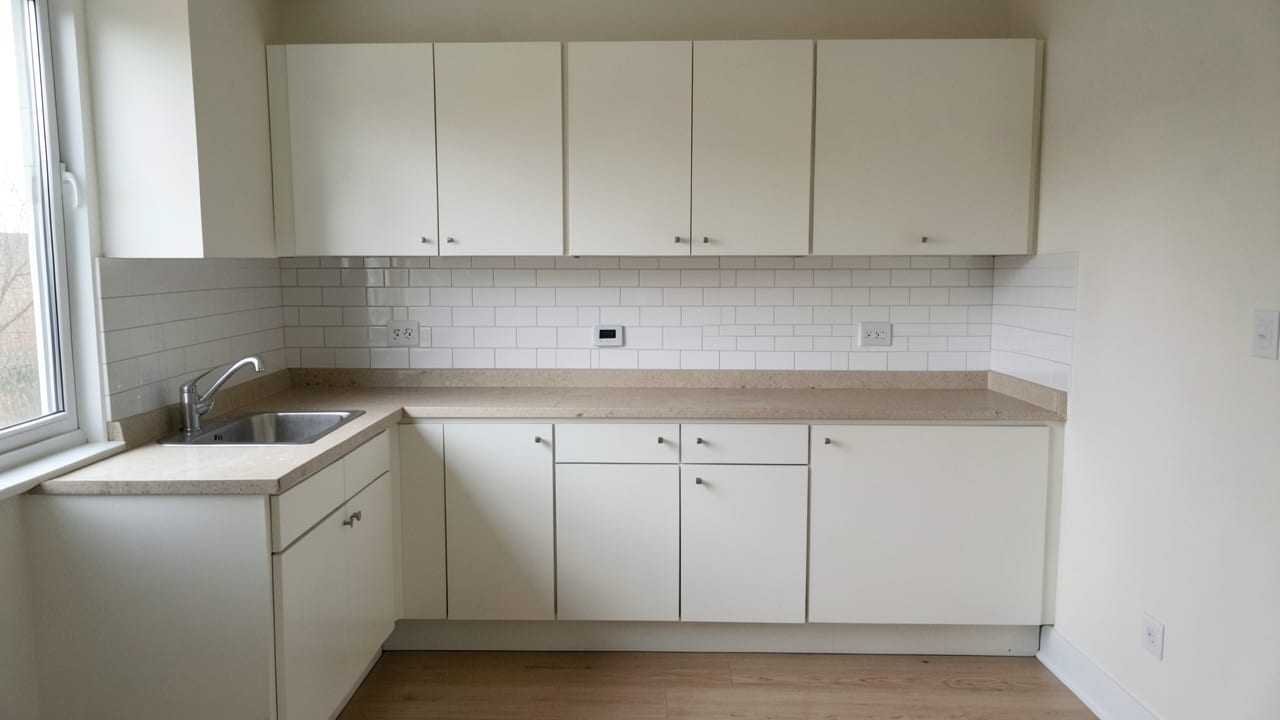
Move-In Mold Assessment
Professional inspection and assessment of mold presence before moving into a property.
A move-in mold assessment in North Stonington, CT helps homeowners identify hidden or visible mold growth before moving into a new property. This thorough inspection evaluates walls, ceilings, basements, and HVAC systems to detect moisture issues and potential contamination, ensuring a safer living environment from day one.
Why a move-in mold assessment matters
Mold often goes unnoticed until it spreads, causing health concerns and costly repairs. A move-in assessment catches hidden issues like damp wall cavities, roof leaks, or plumbing problems before they become major headaches. Without addressing moisture sources, even remediation can fail as mold returns once conditions allow.
We also handle Pipe Leak Mold Removal and School Mold Remediation for North Stonington properties.
In North Stonington’s humid climate, basements and crawl spaces are especially vulnerable. A professional inspection maps affected areas, traces moisture back to its source, and provides a clear plan for remediation—helping you avoid surprises after you’ve already moved in.
Signs You Need an Assessment
- A persistent musty or earthy smell in closets, bathrooms, or crawl spaces that doesn’t fade with ventilation.
- Visible mold spots (black, green, brown, or dark speckles) on drywall, grout, window frames, or under carpets.
- History of leaks or floods that were cleaned up but never professionally inspected underneath surfaces.
- Symptoms like sneezing, headaches, or itchy eyes that improve when you leave a specific room.
What to expect during the inspection
A trained inspector begins with a visual walkthrough, checking for visible mold, staining, and signs of water damage. They use tools like moisture meters and thermal imaging to detect hidden dampness in walls, subfloors, and roof lines—areas that may not show obvious signs.
Where the source isn’t clear, air and surface samples are collected from affected areas *and* a control room (an unaffected space) to compare lab results against a baseline. This ensures accurate species identification and spore concentration, not just a snapshot of one area.
What the report includes—and why it’s critical
The final report details affected materials, the likely moisture source, and the square footage involved. This document is essential for pricing remediation and, in some cases, required by law before work begins. Without it, contractors may underestimate the scope—or miss hidden issues entirely.
Connecticut does not mandate specific mold remediation licenses, but contractors must register under the state’s Home Improvement Contractor law. Always verify their compliance directly with the Connecticut Department of Consumer Protection.
| Red Flag in Your Quote | What It Means |
|---|---|
| No written scope of work | Hard to compare bids or hold the contractor accountable for missing items. |
| Pressure to sign during the inspection visit | A legitimate scope takes time to prepare—rushing skips your chance to review details. |
| No mention of post-remediation clearance testing | Without testing, there’s no confirmation the mold was fully addressed. |
| Full payment requested upfront | Removes leverage if the work doesn’t meet the agreed scope. |
How a move-in mold assessment works
- 1Visual and Moisture Inspection
The inspector examines every room for visible mold, staining, and musty odors. They use a moisture meter and thermal imaging to detect hidden dampness in walls, ceilings, and subfloors that isn’t obvious to the naked eye.
- 2Air and Surface Sampling
If the source of mold isn’t clear, samples are taken from affected areas *and* a control room (an unaffected space) to compare lab results. This ensures accurate identification of species and spore concentration.
- 3Moisture Source Diagnosis
The inspector traces moisture back to its origin—whether it’s a roof leak, plumbing issue, poor grading, or condensation. Addressing the source is critical to preventing mold from returning.
- 4Lab Analysis and Report
Samples are sent to an independent, accredited lab for analysis. The results, along with the inspection findings, are compiled into a written report detailing affected areas, moisture sources, and remediation recommendations.
- 5Written Scope for Remediation
The report serves as the basis for any remediation work, including the square footage involved and materials affected. This document helps contractors provide accurate pricing and ensures compliance with state guidelines.
Frequently asked questions
Can mold be hidden behind walls or under floors even if I don’t see or smell it?
Yes. Mold often grows in hidden areas like wall cavities, subfloors, or behind drywall before becoming visible. Moisture meters and thermal imaging help detect these issues during an assessment, even when there’s no obvious sign.
Will the assessment tell me how to fix the mold, or just if it’s there?
The assessment identifies mold presence, its extent, and the moisture source causing it. However, it does not provide hands-on remediation—only a professional contractor can address the cleanup and repairs based on the report’s findings.
How long does it take to get results after sampling?
Lab turnaround typically takes 2–5 business days, depending on the lab’s workload. The inspector will provide a timeline during the assessment and keep you updated on progress.
Do I need to be home during the inspection?
No, but the inspector may need access to all areas of the home, including basements, attics, and crawl spaces. Provide clear instructions or a contact number if you’re unavailable during the visit.
See Griswold, CT for more, or check out how our North Stonington crew can help by service type for our complete lineup.
Ready to get started?
Talk to a local mold remediation pro in North Stonington — get a written quote.
Other Mold Remediation Services in North Stonington
Pipe Leak Mold Removal in North Stonington, CT
Professional removal of mold caused by pipe leaks in homes.
Learn More
School Mold Remediation in North Stonington, CT
Professional mold removal and remediation in schools to ensure a safe, healthy environment.
Learn More
Hospital Mold Removal in North Stonington, CT
Professional assessment and removal of mold in hospitals to ensure a safe, healthy environment.
Learn More
Warehouse Mold Cleanup in North Stonington, CT
Professional removal of mold from warehouse spaces to restore safe, clean conditions.
Learn More
Wood Furniture Mold Remediation in North Stonington, CT
Professional removal and treatment of mold from wood furniture to restore safety and appearance.
Learn More
Glass Window Mold Removal in North Stonington, CT
Professional removal of mold from glass windows and frames to restore clarity and prevent spread.
Learn MoreCommon Questions About Mold Remediation in North Stonington
Everything you need to know about mold remediation services in North Stonington
How much does Move-In Mold Assessment typically cost in North Stonington, CT?
Why does North Stonington, CT's humidity make mold a bigger risk than in drier regions?
Can small mold problems be handled without hiring anyone?
What's the actual difference between mold removal and mold remediation?
Is a final clearance test part of a typical mold remediation job?
How does mold remediation actually prevent the problem from coming back?
Need Mold Remediation in North Stonington?
Connect with local providers in North Stonington for a detailed quote.
⏰ We answer your call • Serving all of North Stonington and surrounding areas